My New LIVE Class is Here | Pretty Grunge: Steampunk Vibes

I'm SO excited to invite you to my next LIVE class: Pretty Grunge: Steampunk Vibes!

In this brand-new live class, we'll dive into the gritty, gorgeous world of pretty grunge with a vintage-industrial steampunk twist. You'll discover 8 techniques — 4 layered mixed media backgrounds and 4 embellishment combinations — that will help you create bold, textured cards that are full of personality. Whether you're new to the pretty grunge style or a returning student looking to explore a fresh aesthetic, this class has something for you.

Pretty Grunge Steampunk Vibes Class by Juliana Michaels

Class Details

This two-part class is happening live on Saturday, May 9th, 2026:

  • Session One: 10 AM – 12 PM ET
  • Break: 12 PM – 1 PM ET
  • Session Two: 1 PM – 3 PM ET
  • Cost: $20

Can't make it live? No worries! You'll get replay access and can watch anytime that works for you.

 JOIN THE CLASS 

What to Expect

Whether you're new to mixed media cardmaking or a seasoned crafter looking to explore a bold new style, this class will help you build confidence working with multiple mediums and layering backgrounds and embellishments into cohesive, stunning finished cards.

You'll Learn How To:

  • Create four different mixed media backgrounds using techniques like stenciling, spray inks, acrylic paint, and embossing folders
  • Build layered, dimensional embellishments using die cuts, stamping, heat embossing, and more
  • Work with water reactive dye inks, water reactive dye sprays, and acrylic paint to create rich, moody color palettes
  • Add depth and texture using tools like brayers, blending brushes, texture paste, and rubbing wax
  • Combine stamped focal images, ephemera-style elements, and steampunk-inspired die cuts into cohesive, finished card designs
  • Embrace the grunge — imperfection, layering, and happy accidents are part of what makes this style so beautiful

What's Included

When you join Pretty Grunge: Steampunk Vibes, you'll receive:

  • A comprehensive class guide filled with step-by-step instructions for all 8 techniques, supply checklists, class prep instructions, recommended substitutions, helpful tips, and more
  • A pre-recorded Welcome Video to introduce you to the class
  • A pre-recorded Class Prep Video to walk you through setup
  • Ongoing replay access to watch and rewatch anytime after the live event
  • Access to the private 17turtles Creative Classroom Community for support and sharing
  • A free bonus Color Combinations Guide featuring 8 curated Distress Ink color palettes to inspire your pretty grunge steampunk cards

 JOIN THE CLASS 


Supplies You'll Need

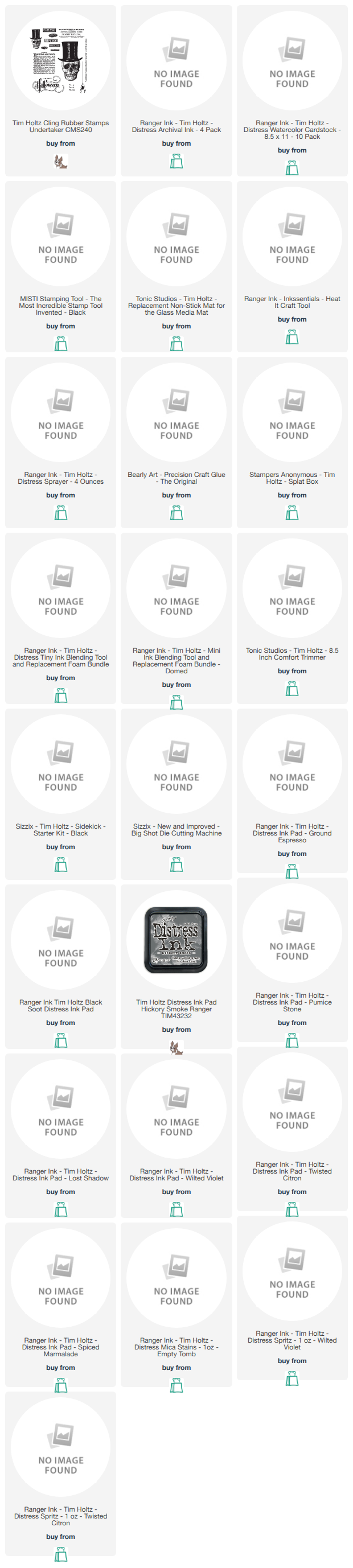
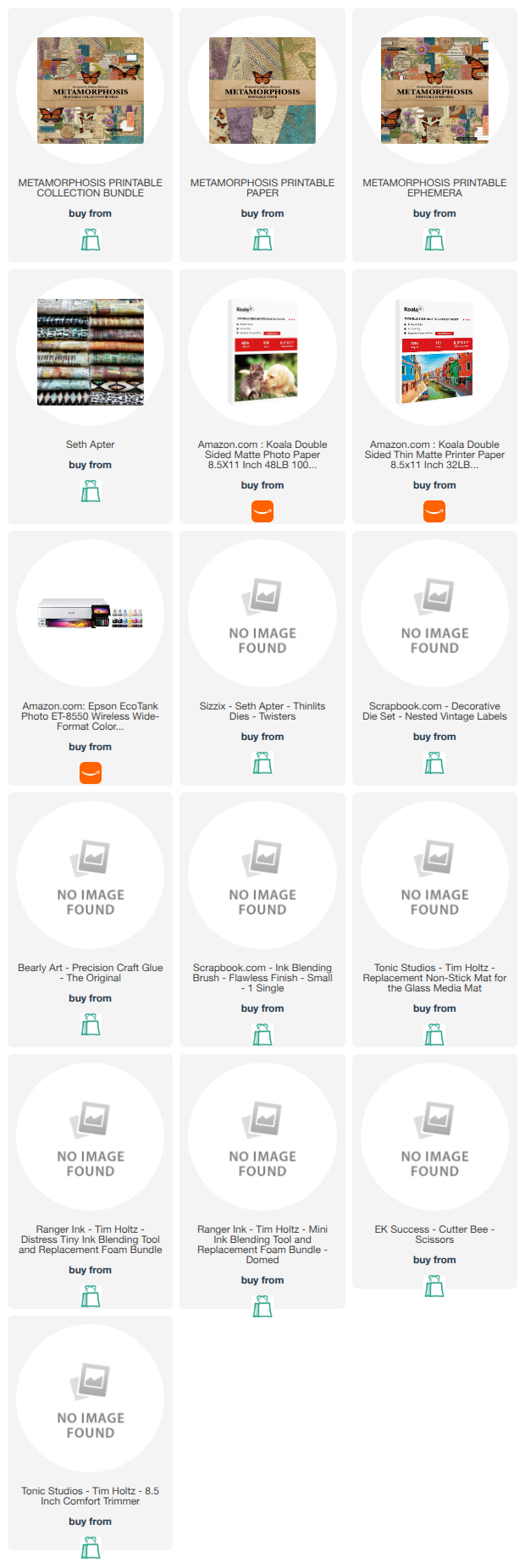
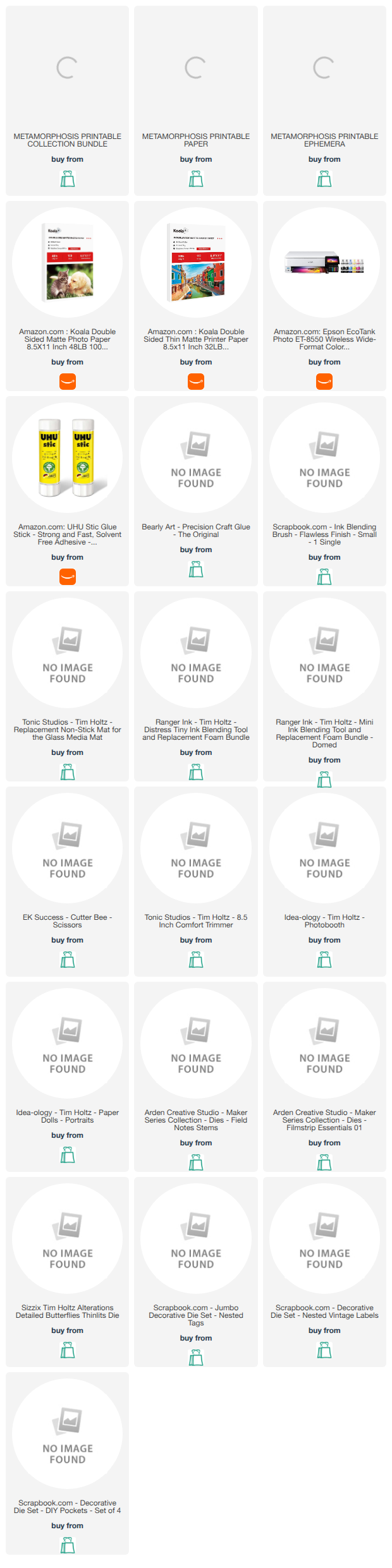
To help you get an idea of the types of supplies you'll need for this class, I've put together a general supply list that you can view before registering. Once you purchase the class, you'll also receive a detailed supply list and class prep checklist to make getting ready even easier.

I recommend shopping your stash first, but for the best results, I suggest using similar supplies for optimal results with the techniques we'll be learning.

 VIEW THE GENERAL SUPPLY LIST 

Where to Watch

The class will be hosted privately on YouTube. You'll receive your exclusive access links in your welcome email after purchase. Once the live class ends, the replay will be added to the 17turtles online classroom along with all class materials.

Replay Access: Replay access will be available the next day (or as soon as it's uploaded), and you can watch it anytime, at your own pace.

Class Length: Each session is approximately 2 hours, with a 1-hour break in between. I recommend reserving a little extra time at the end of Session Two in case we go over.

Refund Policy: Due to the immediate access provided, no refunds will be offered once you register.

 JOIN THE CLASS 

Watch the Video!

Head over to my YouTube channel to watch my latest video where I'm sharing some background and embellishment techniques that capture the pretty grunge steampunk aesthetic. These aren't the techniques from the class — so there's plenty more to discover when you join me — but they're a great way to get inspired and get a feel for the style!


I can't wait to create with you and help you explore the bold, grungy, beautiful world of pretty grunge steampunk!

If you have any questions about supplies, class access, or anything else, feel free to leave a comment below or email me at juliana@17turtles.com — I'm happy to help.


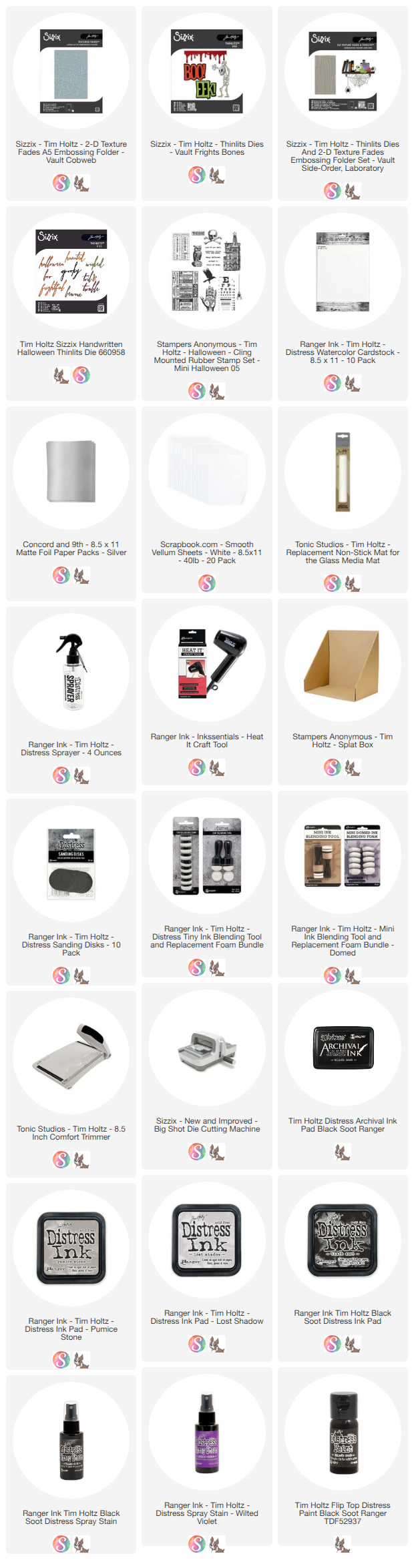
Supply List

Below you can find the supplies I will be using in my Pretty Grunge: Steampunk Vibes class. Keep scrolling for the supply list for my latest video. When you shop through these links, whether you purchase that exact item or something else entirely, you're supporting me at no extra cost to you. The commission I receive helps me cover the costs of my blog and other expenses, keeps my class costs low, and allows me to continue to provide you with FREE inspiration and tutorials. If you want to learn more about what an affiliate link is, you can see my full affiliate and product disclosure statement here. Thank you so much for your love and support!
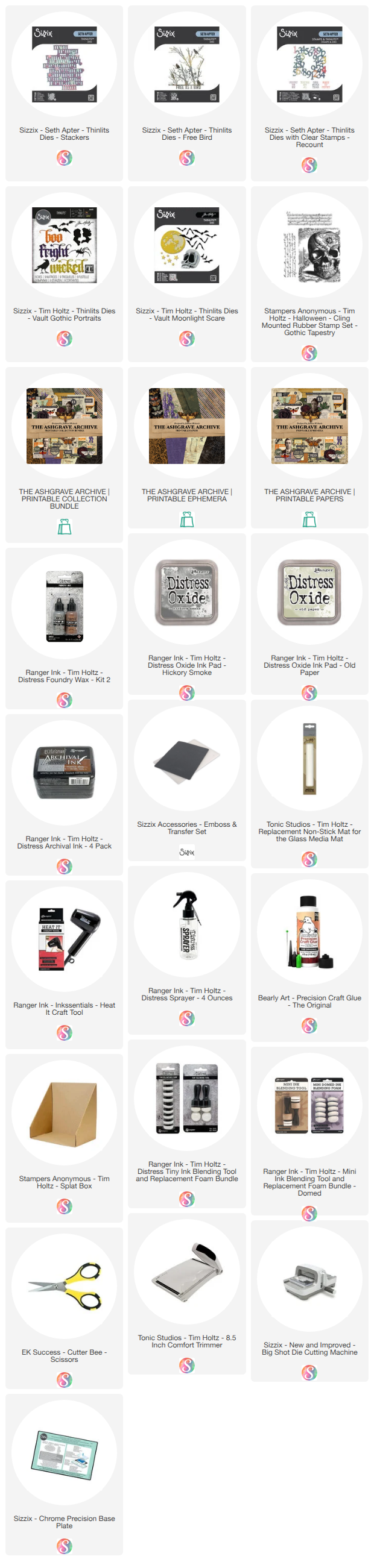
Pretty Grunge Steampunk Vibes Class Supply List


Pretty Grunge Goes Steampunk Supply List

Tim Holtz Distress Paints Are Back | Gel Plate Art Journal Background

If you've been in the Tim Holtz world for any length of time, you probably remember when Ranger retired a bunch of the Distress Paint colors — and if you're anything like me, you were a little bummed about it. Well, the good news is they're back! And to celebrate, I decided to do something a little outside my comfort zone and create an art journal page using the re-released Distress Paints with a gel plate. Art journaling and paint aren't really my go-to — yet anyway — but that's kind of the point. Sometimes you just have to give yourself permission to play, and in my latest video that's exactly what I did.

Giving Yourself Permission to Play

I've been wanting to explore art journaling and paint more for a while now, and taking a class recently with Seth Apter really reignited that desire. When I heard the Distress Paints were coming back, it felt like the perfect push to just go for it. I'm not an expert in art journaling or paint, but I'm sharing this anyway because I think it's important to create outside your comfort zone — and honestly, I had so much fun with it. If you've been on the fence about trying something new, I hope this gives you that little nudge.

Believe In Yourself Art Journal Page by Juliana Michaels featuring Tim Holtz Distress Paint, Idea-ology and Sizzix Vault Picture Show Die Set

The Believe in Yourself Art Journal Pages

In the video I'm sharing the background techniques — how I used Distress Paints, stencils, a gel plate, and a brayer to build up those warm, golden, layered backgrounds you see across both pages of the spread. After filming, I went ahead and finished the pages too, and I'm sharing all of those details here.

To create the background for my art journal pages I used Distress Paint in Pumice Stone, Scattered Straw, Forest Moss, Shabby Shutters and Aged Mahogany. Head over to my YouTube channel to check out all the details on how I created the background using the paints, stencils, a gel plate and a brayer.

To add more interest to the background I added some stamping using Archival Ink in Frayed Burlap and a mix of Tim Holtz stamps including French Marketplace, Field Notes, Illustrated Garden, Flowershop and Bird Feather. I recommend using a permanent ink such as Archival Ink when stamping over paint as it will dry quickly and will be permanent.

Once the stamping was completed I went about sorting through my Tim Holtz paper scraps and ephemera pieces to create a layered cluster for each page. I also added an old book page. I used some similar pieces such as the same patterned paper, old book page and colors to keep things cohesive. I also inked the edges of the pieces with Walnut Stain Distress Ink.

I also die cut a viewfinder from Black Kraftstock using the Tim Holtz Vault Picture Show Die Set, sanded the edges with a sanding disc. I cut it in half and tucked one piece into the layers of each side of the spread.

I then finished off the pages with some white ink splatters and added some Stabilo pencil work around the outer edge of the patterned paper pieces. I then went about adhering the various layers together and then finally to the page itself.

Watch the Full Background Tutorial

Ready to see all the details on the gel plate background techniques? You can watch the complete tutorial in the video below, or head over to my YouTube channel to check it out.

I'd love to know — are you a Distress Paints fan? Are you excited they're back? Let me know in the comments, and if you give this a try I'd love to see what you create!

Happy crafting!
~ Juliana

Supplies

Below you will find links to the supplies I used to create these pages. When you shop through these links—whether you purchase that exact item or something else entirely—you're supporting me at no extra cost to you. The commission I receive helps me cover the costs of my blog and other expenses, and allows me to continue providing you with FREE inspiration and tutorials. If you want to learn more, you can see my full affiliate and product disclosure statement here: https://www.17turtles.com/p/affiliate-and-product-disclosure.html. Thank you so much for your love and support!


A Graduation Shaker Card

Graduation season is here, and I cannot believe how fast time flies! My youngest niece is graduating from high school this year, and of course I had to make her a card. I wanted to create something special and a little extra fun, so I went with a shaker card combining pieces from the new Scrapbook.com Graduation Bundle with some Tim Holtz Idea-ology papers from my stash.

The result is a 4.75 x 6 inch card packed with blue and gold sequins, a dramatic black silhouette graduation scene, and all the celebratory feels!

Graduation Shaker Card by Juliana Michaels featuring Scrapbook.com Graduation Die

Building the Shaker

I started by die cutting a piece of blue patterned paper using the Scrapbook.com Nested Stitched Stamps die to create the shaker window. I cut a piece of acetate to fit behind the opening and adhered it to the back side of the paper. Then I added double-sided foam tape around the entire perimeter of the opening, making sure all the pieces were butted up tightly against each other to keep the sequins from escaping!

For the shaker background, I sprayed a piece of Distress Watercolor Cardstock with Distress Spray in Faded Jeans and Pumice Stone, then ran it through the Scrapbook.com Polka Dot Embossing Folder. To finish it off, I rubbed a little Sizzix Luster Wax in Gold over the embossed texture. Most of this layer ends up hidden behind the sequin mix, but it's still a fun little detail to create — and you'll know it's there! I cut this piece to fit the back of the shaker window.

Before sealing everything up, I added a mix of sequins along with some extra graduation caps die cut from black cardstock. Once the shaker was filled and sealed, I backed the whole piece with a piece of Tim Holtz Idea-ology patterned paper.

Finishing the Card

I distressed the edges of the patterned paper layer and layered it onto a piece of black cardstock. The focal image — the graduation silhouette — is die cut from black cardstock using the Scrapbook.com Graduation Bundle dies. I finished the card with a "Congratulations" sentiment stamped from the Scrapbook.com So Proud Of You stamp set.

I think she's going to love it! 🎓

If you're looking for graduation card inspiration this season, the Scrapbook.com Graduation Bundle is a great option — it includes stamps, dies, and cardstock, giving you everything you need to create a whole collection of cards. Check the supply list below for links.

Let's Chat!

I'd love to see your graduation cards! Drop a photo or a comment below and let me know who you're celebrating this year.

Supplies

Below you'll find the supplies I used to create this card. When you shop through these links — whether you purchase that exact item or something else entirely — you're supporting me at no extra cost to you. The commission I receive helps me cover the costs of my blog and other expenses, and allows me to continue providing you with FREE inspiration and tutorials. If you want to learn more, you can see my full affiliate and product disclosure statement here. Thank you so much for your love and support!


How to Use Distress Embossing Glaze | 3 Mixed Media Techniques

I recently had the pleasure of creating a tutorial for the Ranger Ink YouTube channel featuring Tim Holtz Distress Embossing Glaze, and I am so excited to share these tags with you today! The glaze is translucent, which means you can use it like a traditional embossing powder but still see color and detail through it — and the vintage mixed media results are absolutely stunning.

How to use Tim Holtz Distress Embossing Glaze | 3 Mixed Media Techniques  by Juliana Michaels

What is Distress Embossing Glaze?

If you've ever picked up the Distress Embossing Glaze and wondered what to do with it or how it's different from a regular embossing powder, you're not alone! The key is that it's translucent — so instead of covering your image or texture with an opaque color, the glaze allows the color and detail underneath to show through while still adding that beautiful raised, dimensional finish. Once you see it in action, it all clicks!

The Background Techniques

In the Ranger Ink video, I walk through three different ways to use the Distress Embossing Glaze — with an embossing folder, with stamped images, and combined with Distress Translucent Crackle Paste through a stencil. Each technique produces a completely different look, and I use Distress Spray Stains and Distress Paint to add color and bring out all that beautiful texture and detail. Head over to the Ranger Ink YouTube channel to watch the full background tutorial!

 WATCH HERE 


The Embellishments

Once the backgrounds were complete, I had so much fun layering in the embellishments to give each tag that eclectic, vintage collector feel. Each tag features a vintage portrait photo as the focal point, framed with postage stamps and layered with Tim Holtz die cuts — butterflies, florals, leaves, and architectural elements — along with sentiment labels that really bring the whole story together. The combination of the glazed, textured backgrounds with all those layered details gives each tag a rich, curiosity cabinet quality that I just love.

Keep Looking Tag by Juliana Michaels featuring Tim Holtz Distress Embossing Glaze, Entangled Embossing Folder and Scribbly Butterflies Die Set

For the embellishments on this tag, I die cut a couple of butterflies from Distress Watercolor Cardstock using the Scribbly Butterflies die set. I sprayed them with Distress Spray Stain in Fossilized Amber and inked the edges with Distress Ink in Walnut Stain. I then layered in an antique portrait from the Tim Holtz Photomatic set, tucking a few stamps from the Tim Holtz Postmarked Sticker Book behind it. A sentiment from the Tim Holtz Quote Chips labels finished everything off perfectly.

Everything Is Possible Tag by Juliana Michaels featuring Tim Holtz Distress Embossing Glaze, Deconstructed Stamp Set, and Vault Funky Wreath Die Set

For this tag I followed a similar process, die cutting the Tim Holtz Vault Funky Floral Wreath die set and spraying it with Scorched Timber Distress Spray Stain. The flowers and leaves were inked individually with Distress Ink in Rusty Hinge, Peeled Paint, Forest Moss, Salvaged Patina, Fossilized Amber, and Walnut Stain. I then finished it off with an antique portrait, a few stamps from the Tim Holtz Postmarked Sticker Book, and a sentiment from the Tim Holtz Quote Chips labels, just as I did on the first tag.

The World Needs Tag by Juliana Michaels featuring Tim Holtz Distress Embossing Glaze, Industrial Stencil and World Travel Die Set

For the final tag, I die cut the globe images using the Tim Holtz Vault World Travel die set and heat embossed them with gold embossing powder. After adhering them to the tag I trimmed off the excess. I then finished everything off with an antique portrait from the Tim Holtz Photomatic set, a few stamps from the Tim Holtz Postmarked Sticker Book, and a sentiment from the Tim Holtz Quote Chips labels.

I hope these tags inspire you to pull out your Distress Embossing Glaze and give it a try! If you have any questions about the techniques or the embellishments, feel free to leave them in the comments below. I'd love to see what you create!

Supplies

Below you'll find the supplies I used to create this card. When you shop through these links—whether you purchase that exact item or something else entirely—you're supporting me at no extra cost to you. The commission I receive helps me cover the costs of my blog and other expenses, and allows me to continue providing you with FREE inspiration and tutorials. If you want to learn more, you can see my full affiliate and product disclosure statement here: https://www.17turtles.com/p/affiliate-and-product-disclosure.html. Thank you so much for your love and support!

null

No Embossing Folder? No Problem | Faux Embossing Background Technique

What if you could create a rich, textured background without an embossing folder? Today I'm sharing one of my favorite techniques using some of the newly released dies from the Tim Holtz Sizzix March release — and the best part is it works with any dies you already own.

The technique uses dies you already own and creates that beautiful raised, textured look without any special equipment. Add Distress Sprays and a little Foundry Wax and the results are stunning — this card has that vintage wanderlust vibe I absolutely love. You'll want to watch the video to see exactly how it all comes together!

The Journey Awakens The Soul by Juliana Michaels featuring Faux Embossing Background Technique with Tim Holtz Sizzix Dies including World Traveler, Alphanumeric Bulletin, Handwritten Journey and Tailored

The Faux Embossing Technique

The key to this technique is that you don't need specific dies — you can use whatever you have in your stash. Any die cut adhered to paper before adding color will create that raised, textured effect. For this card I used dies from the Tim Holtz Sizzix March release, which were previously released and retired and are now available again. So if you missed them the first time, this is a great opportunity to grab them!

For color I used Distress Spray Stains in Uncharted Mariner and Broken China, along with Distress Oxide Sprays in Uncharted Mariner and Weathered Wood. The good news is you don't need both types of sprays — use what you have, mix and match, or stick with one. That's the beauty of this technique: it's flexible and works with your stash.

Watch the Full Tutorial

Ready to see the faux embossing technique in action? Watch the complete tutorial in the video below, or head over to my YouTube channel to check it out. 

I'd love to know — do you have dies sitting in your stash that you haven't used in a while? This technique might be just the reason to pull them out! Leave a comment below and let me know what you're thinking of trying it with.

Supplies

Below you will find links to the supplies I used to create these cards. When you shop through these links—whether you purchase that exact item or something else entirely—you're supporting me at no extra cost to you. The commission I receive helps me cover the costs of my blog and other expenses, and allows me to continue providing you with FREE inspiration and tutorials. If you want to learn more, you can see my full affiliate and product disclosure statement here. Thank you so much for your love and support!

Embossing Folder Background Techniques | Beginner to Advanced

If you've ever wondered how to get more out of your embossing folders, this tutorial is for you! Today I'm sharing three ways to use an embossing folder to create a mixed media card background, and we're going from beginner to advanced. Each technique builds on the last, so whether you're just getting started with mixed media or you're ready to layer in some more products and push your skills a little further, there's something here for you.

Lucky Is A State of Mind Card | Embossing Folder Background Techniques Beginner to Advanced by Juliana Michaels featuring Tim Holtz Sizzix Vault Diamonds Embossing Folder, Gentlemen, Picture Show, Alphanumeric Stretch, Handwritten Celebrate, and Lucky Love Impresslit

Three Levels, One Embossing Folder

The idea behind this tutorial is simple — take one embossing folder and show how you can use it three different ways, each one stepping up the complexity a little. No matter which technique you choose, the Sizzix Luster Wax is the secret weapon that ties them all together — it catches the raised areas of the embossed design and makes it pop beautifully every single time.

The beginner technique keeps things simple with colored cardstock, Luster Wax to highlight the embossed design, and inked edges using Distress Ink. It's approachable, low-risk, and gives you a gorgeous result with minimal supplies.

Beginner Embossing Folder Technique by Juliana Michaels featuring Tim Holtz Sizzix Vault Diamonds Embossing Folder, Gentlemen, Picture Show, Alphanumeric Stretch, Handwritten Celebrate, and Lucky Love Impresslit

The intermediate technique introduces Distress Watercolor cardstock and Distress Spray Stains before adding the Luster Wax and inked edges. The Spray Stains sink into the watercolor cardstock beautifully, adding depth and color before the Luster Wax works its magic on the embossed design.

Intermediate Embossing Folder Technique by Juliana Michaels featuring Tim Holtz Sizzix Vault Diamonds Embossing Folder, Gentlemen, Picture Show, Alphanumeric Stretch, Handwritten Celebrate, and Lucky Love Impresslit

The advanced technique builds on the intermediate version by layering Distress Oxide Sprays on top of the Spray Stains before finishing with the Luster Wax and inked edges. It's the same process with one extra step, but that additional layer of color adds a richness that takes the background to a whole new level.

Advanced Embossing Folder Technique by Juliana Michaels featuring Tim Holtz Sizzix Vault Diamonds Embossing Folder, Gentlemen, Picture Show, Alphanumeric Stretch, Handwritten Celebrate, and Lucky Love Impresslit

The Focal Point

While the focus of this tutorial is the background techniques, I also walk you through how I created the die cut focal point for each card using the new Sizzix Tim Holtz Vault Picture Wheel and Handwritten Thinlits Dies. One of my favorite things about the Handwritten dies is how beautifully they layer with the Alphanumeric Stretch Upper Case dies — and you'll see exactly how I used that combination on these cards.

Lucky Is A State Of Mind Card by Juliana Michaels featuring Tim Holtz Sizzix Vault Diamonds Embossing Folder, Gentlemen, Picture Show, Alphanumeric Stretch, Handwritten Celebrate, and Lucky Love Impresslit

Watch the Full Tutorial

Ready to see all three background techniques in action? You can watch the complete tutorial in the video below, or head over to my YouTube channel to check it out.

[VIDEO EMBED HERE]

I'd love to know — which background technique would you choose for your next card? The beginner, intermediate, or advanced version? Leave a comment below and let me know!

Supplies

Below you will find links to the supplies I used to create these cards. When you shop through these links—whether you purchase that exact item or something else entirely—you're supporting me at no extra cost to you. The commission I receive helps me cover the costs of my blog and other expenses, and allows me to continue providing you with FREE inspiration and tutorials. If you want to learn more, you can see my full affiliate and product disclosure statement here. Thank you so much for your love and support!

Mixed Media Cardmaking Part 2 | Creating Embellishment Layers

Welcome to Part 2 of my mixed media cardmaking series! In Part 1, I walked you through building a layered background with seven different techniques. Today, I'm taking you step-by-step through creating the embellishments and assembling everything to complete this card. You'll see how I stamp and watercolor flowers, create a vintage ephemera piece, and use foam tape strategically to add beautiful dimension. Plus, I'm sharing some of my favorite tips and tricks that make the assembly process so much easier!

This is Part 2 of a two-part series! If you missed Part 1 where I created the mixed media background, check it out first: Read Part 1 | Watch Part 1 on YouTube

A vintage style mixed media card with multiple layers on the background in soft peach and mint colors. Coordinating florals and a tag embellishment are the focal point.

From Stamped Images to Finished Embellishments

One of the questions I get asked most often is how to take stamped images and turn them into polished, dimensional embellishments that look cohesive with your background. The key is in the details - how you color them, how you create supporting elements like ephemera, and how you plan your placement before anything gets adhered down.

In this tutorial, I'm using watercoloring to add soft, natural color to my stamped flowers. Watercoloring with dye inks gives you so much control - you can build up layers for depth, blend colors seamlessly, and create that loose, artistic look that works beautifully with mixed media backgrounds. The best part? You don't need special watercolor paints. Regular dye inks and a water brush work perfectly.

I'm also showing you how to create a vintage ephemera piece using stamps and inks to coordinate with your main elements. These little supporting pieces add so much to a design - they give you something to tuck behind your focal images and help tie everything together visually.

And here's the game changer: my Press & Seal technique for keeping die-cut pieces exactly where you want them while you add adhesive. This trick has saved me so much frustration over the years, and once you try it, you'll use it on every dimensional project!

Creating the Embellishments: Step-by-Step

Here's how I built the layers for this card:

Step 1: Stamping the Images

I stamped the outline flowers and leaves using waterproof ink on watercolor cardstock. Using waterproof ink is essential here since we'll be adding water for the coloring - you want those outlines to stay crisp.

Stamping the Images

Step 2: Watercoloring the Flowers and Leaves

Using a water brush and dye inks, I added color to each flower and leaf. I built up layers of color for depth and let each layer dry before adding more. The key is working with a light touch - you can always add more color, but it's harder to remove it.

Watercoloring the Flowers and Leaves

Step 3: Die-Cutting the Elements

After all the stamping was completed, I used the coordinating dies to cut out each flower and leaf. Having dies that match your stamps makes this process so much easier and gives you clean, professional edges.

Die-Cutting the Elements

Step 4: Creating the Vintage Ephemera Piece

I stamped a ticket image and aged it using ink smooshing and edge inking, then added water splatters for that authentic vintage look. This piece will tuck behind the flowers to add visual interest and help ground the cluster.

Creating the Vintage Ephemera Piece

Step 5: Adding Dimension with Foam Tape

I added foam tape to the backs of my pieces, creating different levels of dimension. Not everything needs to be popped up the same height - varying the dimension makes the design more interesting and realistic. Now, I already had a pretty good idea of where I wanted everything to go, so I jumped ahead to adding the foam tape. But if you're not sure about your layout yet, you might want to plan your placement first before adding adhesive.

Adding Dimension with Foam Tape

Step 6: Planning the Final Layout

Even with foam tape already on, I still played with the placement to make sure I was happy with the arrangement. This is where my Press & Seal trick comes in handy - laying a sheet over the top lets me pick up all the pieces at once without them sticking together, flip it over if needed, and keep everything exactly where I want it during final assembly.

Planning the Final Layout

Step 7: Adding the Sentiment and Adhering to the Background

Finally, I adhered the completed background to my card base and added a sentiment sticker. I shared my tips for getting everything straight and centered without measuring.

Hope Is Not Lost Card - Mixed Media Cardmaking Part 1 | Building Background Layers by Juliana Michaels featuring 49 & Market and Sizzix stamps and stencils

Watch the Full Tutorial

Ready to see all the details, watch the watercoloring process in action, and learn that Press & Seal trick? The video walks you through everything step-by-step with all my tips for getting professional results. You can watch Part 2 below.

If you missed Part 1 where I created the mixed media background for this card, be sure to watch that first to see how I built up all those layers! You can watch Part 1 below.

What's Your Favorite Assembly Trick?

I'd love to hear from you! Do you have a go-to technique for assembling dimensional cards? Have you tried Press & Seal or do you have another method that works great for you? Drop a comment on the video or send me a message on Instagram—I always love hearing what works for other crafters!

Supplies

Below you'll find the supplies I used to create this card. When you shop through these links—whether you purchase that exact item or something else entirely—you're supporting me at no extra cost to you. The commission I receive helps me cover the costs of my blog and other expenses, and allows me to continue providing you with FREE inspiration and tutorials. If you want to learn more, you can see my full affiliate and product disclosure statement here: https://www.17turtles.com/p/affiliate-and-product-disclosure.html. Thank you so much for your love and support!

Mixed Media Cardmaking Part 1 | Building Background Layers

Today I'm kicking off a two-part mixed media cardmaking series, and I'm so excited to share my approach for creating layered backgrounds! If you've ever wondered how to layer mixed media techniques without ending up with a muddy mess, this tutorial is for you. I'm walking you through building a textured background using stencils, stamps, inks, and paste—and more importantly, I'm sharing why the order matters and how understanding your mediums can make all the difference.

A vintage style mixed media card with multiple layers on the background in soft peach and mint colors. Coordinating florals and a tag embellishment are the focal point.
   

Understanding Mixed Media: It's All About Planning

When it comes to mixed media cardmaking, a little planning goes a long way. The biggest challenge people face isn't the techniques themselves—it's knowing what order to use them in so you don't create a muddy disaster or lose the crisp details you worked so hard on.

Here's what I've learned: different mediums behave differently, and understanding those behaviors helps you make better decisions. Water-reactive inks (like dye inks) will reactivate when they get wet again, which means they can blend and move. Pigment inks are more permanent once they dry. And archival inks are waterproof, so they won't budge no matter what you layer on top of them.

This is why I always reach for waterproof or pigment inks when I'm stamping on mixed media backgrounds—I want those images to stay crisp even when I add more layers. But if you want a softer, blended look, regular dye inks can work beautifully too. There's no single "right" way—it's about understanding your supplies and choosing what works for the effect you want.

The same thinking applies to when you add texture paste, sprays, and inking. Some techniques need to go first (like paste through stencils—it's hard to stamp over bumpy texture!), while others work better as final layers (like shimmer sprays). Once you understand the "why" behind the order, you can experiment with confidence and even break the rules intentionally.

Building the Background: Seven Layers

For this card, I built the background using seven different techniques. You don't have to use all seven—you could pick just one or two and still create something beautiful. But I wanted to show you how layering multiple techniques creates depth and interest. Here's what I did:

Step 1: Monoprinting with Stencil

I started by applying dye ink directly to my stencil, spritzing it with water, and then pressing it onto watercolor cardstock to transfer the design. This creates a soft, watercolor-like background layer.

Step 2: Ink Smooshing

Next, I added subtle color by smooshing ink onto my craft mat, spritzing it with water, and tapping sections of my background into it. I dried this layer before moving on so the colors would build rather than blend.

Step 3: Partial Stamping for Texture

Using waterproof ink and background stamps (script and grid), I added random bits of stamped texture—not full crisp images, just hints here and there to create visual interest.

Step 4: Paste Through Stencil

I used a palette knife to spread metallic paste through my stencil, adding both texture and shimmer. This is one of those techniques you want to do after stamping, since it's tricky to stamp over bumpy paste.

Step 5: Shimmer Spray

A light misting of shimmer spray adds a subtle sparkle that catches the light beautifully in person (even if it doesn't always show up on camera!).

Step 6: Splatters with Shimmer Spray

I added a few deliberate splatters using spray ink to create organic texture and visual interest across the background.

Step 7: Ink Edges and Water Spray

Finally, I inked around the edges with a blending brush, then added water splatters with a spray bottle. As the water dried, it pulled the ink and created that beautiful vintage, weathered effect.

Again, you can mix and match any of these techniques or use just one or two. The key is going in an order that makes sense for the mediums you're working with. If you want to try all seven, just follow this sequence and you'll avoid those muddy-mess moments!

Watch the Full Tutorial

Ready to see all the details, tips, and why I made each decision along the way? The video walks you through my entire thought process, shows you each technique in action, and gives you all the little tips I've learned over the years. Plus, you'll see how each layer builds on the last to create that final textured background.

Mixed Media Cardmaking | Part 2

This is Part 1 of a two-part series. In Part 2, I'll take you step-by-step through creating the embellishments, plus I'll share my best tips for assembling the layers and adding dimension to complete the card. So be sure to watch for that next video!

What's Your Approach to Mixed Media?

I'd love to hear from you! Do you plan out your mixed media layers, or do you prefer to wing it and see what happens? Which of these seven techniques are you most excited to try? Drop a comment on the video or send me a message on Instagram—I always love hearing about your creative process!

Related Posts You Might Enjoy:

Happy crafting!
~ Juliana

Supplies

Below you'll find the supplies I used to create this card. When you shop through these links—whether you purchase that exact item or something else entirely—you're supporting me at no extra cost to you. The commission I receive helps me cover the costs of my blog and other expenses, and allows me to continue providing you with FREE inspiration and tutorials. If you want to learn more, you can see my full affiliate and product disclosure statement here. Thank you so much for your love and support!
Migration Is Beautiful: Papercrafters Unite Against Racism 2026

Hello friends! Welcome to the Papercrafters Unite Against Racism Instagram Hop. I'm honored to join the papercrafting community once again to stand in solidarity with BIPOC, AAPI, Indigenous, Palestinian, and all oppressed communities in the ongoing fight for racial justice and equality.

Migration Is Beautiful Card by Juliana Michaels for the Papercrafters Unite Against Racism Instagram Hop featuring a monarch butterfly die cut on a mixed media vintage style blue background.

Migration Is Beautiful

When I saw this phrase, it stopped me in my tracks. As someone who loves butterflies and incorporates them into my mixed media work, the connection felt immediate and profound. Migration—in all its forms—is an act of courage, survival, transformation, and hope.

The monarch butterfly travels up to 3,000 miles in its migration, following an ancient instinct passed down through generations. Families cross borders seeking safety, opportunity, and a better life for their children. And collectively, we continue the long migration toward justice, equity, and true equality. All of these journeys are beautiful. All of them matter.

The Card

For this project, I created a mixed media card featuring a bold butterfly die cut layered over vintage ephemera and an inky textured background. You can find a list of all of the supplies I used at the bottom of this post.

Creating the Background

I began by stamping a combination of ledger and script stamps onto Distress Watercolor Cardstock using Distress Archival Ink in Frayed Burlap. The stamps I used are Tim Holtz On The Farm and French Marketplace. Next, I added texture by applying Distress Textures Paste through the Tim Holtz Blossom Layering Stencil.

Once the paste was dry, I sprayed the paper with a combination of Distress Spray Stain in Tumbled Glass and Speckled Egg, plus a touch of Distress Oxide Spray in Speckled Egg. I finished by inking the edges with Distress Ink in Vintage Photo.

The Vintage Ephemera

The ephemera pieces were stamped onto Distress Watercolor Cardstock using Distress Archival Ink in Frayed Burlap. The stamp set used is the Tim Holt Field Notes. Before stamping, I ink smooshed the paper into Distress Ink in Old Paper to create a vintage effect. I then trimmed around the images with scissors and inked the edges with Vintage Photo.

The Butterfly

For the butterfly, I used the Tim Holtz Perspective Butterfly Die. I cut it once from Distress Black Heavystock and once from Distress Watercolor Cardstock. I carefully saved all the negative pieces from the watercolor cardstock die cut and adhered both the die cut shape and the negative pieces to white cardstock using a fine-tip liquid adhesive. Using scissors and a craft knife, I carefully trimmed around the entire piece.

Next, I used a waterbrush with Distress Ink in Crackling Campfire and Spiced Marmalade to watercolor the butterfly. Once the ink was dry, I layered the black die cut on top. I used a black marker to color around the edges of the die cut to cover any white showing, then adhered the completed butterfly to my background.

The Meaning

The layered, textured background represents the complexity of these issues. Nothing about this work is simple or one-dimensional. The vintage elements remind us that while this fight is long-standing, the urgency remains constant. And that vibrant butterfly? It's a reminder that migration, movement, change—and the people who embody these journeys—are not just necessary. They're beautiful.

Showing Up: The Ongoing Work

Anti-racism isn't a single moment or event. It's ongoing work that requires consistent action and commitment. Here are some of the ways I continue to show up:

  • Starting conversations when I witness racist experiences or hear racist comments—even when it's uncomfortable
  • Actively working to examine and change my own perceptions and biases
  • Taking the time to learn how to correctly pronounce people's names—it's a basic act of respect and recognition
  • Taking action through donating to organizations doing the work, signing petitions, making calls to representatives, and holding politicians accountable for their policies and actions

The goal of this hop is to continue raising awareness about anti-racism and to encourage everyone to find ways to show up for equity and equality in ways that make sense for you. Silence, inaction, and passivity are detrimental to justice. As Dr. Martin Luther King Jr. reminded us: "Injustice anywhere is a threat to justice everywhere."

Instagram Hop Information

The hop is taking place on Instagram starting February, 8 at 3PM ET. For a complete list of participants and more information about Papercrafters Unite Against Racism, visit @pcuar_ on Instagram.

Thanks so much for stopping by today. I hope you'll continue this important conversation in your own communities and find ways to show up for justice and equality.

Supplies

Below you can find the supplies I used to create this card. When you shop through those links and whether you purchase that exact item or something else entirely, you’re supporting me at no extra cost to you. The commission I receive helps me cover the costs of my blog and other expenses, and allows me to continue to provide you with FREE inspiration and tutorials. If you want to learn more about what an affiliate link is, you can see my full affiliate and product disclosure statement here. Thank you so much for your love and support!

Subscribe